Blog
US-Iran War Impact on Indian Real Estate: CREDAI Seeks RERA Project Extension
Published 14 May 2026
US-Iran War Impact on Indian Real Estate: CREDAI Seeks 3–6 Month RERA Extension
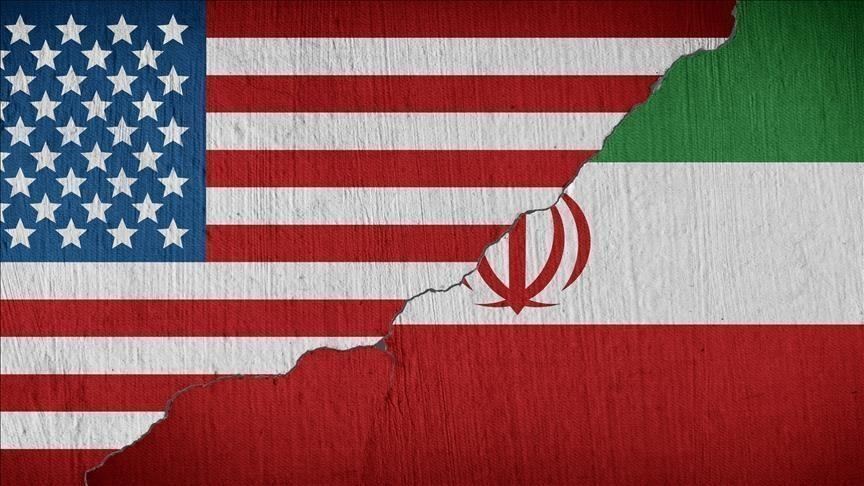
The ongoing geopolitical tension between the United States and Iran is now beginning to affect industries far beyond global politics and oil markets. One of the sectors already feeling pressure is the Indian real estate market.
The US-Iran war impact on Indian real estate is becoming visible through rising construction costs, supply-chain disruption, and uncertainty around project delivery timelines.

India’s leading developers’ body, CREDAI, has requested the Ministry of Housing and Urban Affairs (MoHUA) to direct RERA authorities across states to provide a 3–6 month extension for ongoing projects. According to the association, developers across India are facing increasing pressure because of fuel price fluctuations and disruption in material movement. (hindustantimes.com)
For many homebuyers, international conflicts may initially seem disconnected from local property markets. But the reality is very different.
The US-Iran war impact on Indian real estate is directly linked to construction activity because real estate depends heavily on transportation, energy costs, imported materials, and industrial manufacturing.
When global fuel prices rise, transportation becomes expensive. When logistics slow down, raw material delivery gets delayed. Eventually, construction sites across the country start feeling the pressure.
According to CREDAI, industries connected to cement, steel, ceramics, tiles, and logistics are already experiencing operational challenges. Gujarat’s Morbi ceramic industry, one of India’s largest tile manufacturing hubs, reportedly saw production disruption linked to the ongoing geopolitical situation. (hindustantimes.com)
This growing construction cost increase India situation is now affecting developers across multiple cities.
The US-Iran war impact on Indian real estate is also increasing concern about project possession timelines. If raw material shortages and transportation delays continue, several under-construction projects may take longer to complete.
That is why CREDAI wants the situation to be treated as a “force majeure” event under RERA.
Under Section 6 of the RERA Act, project completion timelines can be extended if delays happen because of circumstances beyond a developer’s control.
India had already seen a similar situation during the COVID-19 pandemic, when project deadlines received automatic extensions due to nationwide construction slowdowns. (pib.gov.in)
If approved, this new RERA project extension 2026 proposal may temporarily protect developers from penalties caused by unavoidable delays.
For homebuyers, the US-Iran war impact on Indian real estate may eventually become visible through:
- Delayed possession timelines
- Rising apartment prices
- Increased construction-linked costs
At the same time, some developers are trying to reduce disruption by adopting faster and more mechanised construction methods. This may help certain projects continue smoothly despite supply-chain challenges. (hindustantimes.com)
For property buyers in Guwahati and other cities, this situation highlights the importance of choosing projects with strong delivery records and reliable construction progress.
You can explore residential projects and property listings here:
👉 https://bricklet.in/property-for-sale
👉 https://bricklet.in/projects
The US-Iran war impact on Indian real estate is a reminder that today’s property market is deeply connected with global economic and geopolitical events.
A conflict happening thousands of kilometres away can still influence fuel prices, building materials, project timelines, and even the future pricing of flats in Indian cities.
Whether the government approves the CREDAI RERA extension request or not, one thing is clear—global uncertainty is now playing a much bigger role in shaping India’s real estate sector than ever before.